
Learn how to leverage the World Cup, seasonality, and AI to master your hotel sales plan and boost revenue.
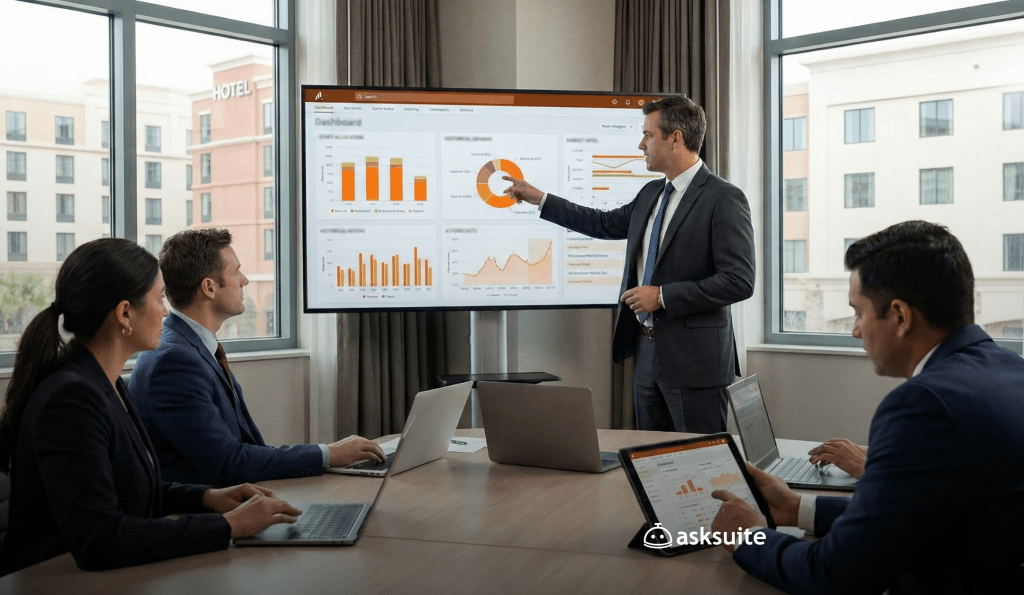
The year 2026 presents a unique challenge for hotel sales planning: balancing traditional seasonality with the global impact of the FIFA World Cup. Even if your hotel isn’t in a host city, the event will reshape travel patterns, influence how you communicate with travelers, and create both spikes and slumps in demand. This complexity requires strategic planning.
Many hotels still rely on reactive tactics, missing out on direct revenue by handing over high-margin bookings to OTAs or failing to fill rooms during slow periods. This guide offers a proactive roadmap to hotel sales planning, combining data analysis, calendar mapping, and automation to help you take control of your pricing and inventory.
Planning now is the only way to lead, not just follow, the hospitality industry in 2026.
5 strategic pillars for hotel sales in 2026
1. Analyze historical data and define clear KPIs
One of the most common mistakes in hotel sales planning is setting revenue goals based on expectations, not evidence. Many properties aim for “10% growth” or “higher occupancy” without grounding those targets in past performance or channel behavior..
To avoid this, start by analyzing your 2024 and 2025 performance metrics in depth. Focus on key indicators like RevPAR, ADR, occupancy by channel, and the ratio of direct vs. indirect bookings. Look beyond averages and segment your data by potential guest type, room category, and time of year to understand what truly drives profitability.
Key data points to review include:
- RevPAR trends by month and guest segment
- Channel performance (OTAs vs. direct vs. corporate)
- Top converting offers or packages during high-demand weekends
- Cancellation and no-show rates, especially for peak dates
- Conversion rates by device (desktop, mobile, WhatsApp, etc.)
With this clarity, you’ll be able to build a realistic budget and set KPIs that reflect your hotel’s real potential. One practical step is to audit your top five most profitable weekends from the past year. What made them stand out? Was it a package offer, a specific campaign, or a local event? Use that intelligence to replicate success in 2026.
Finally, establish concrete goals for direct bookings, for example, “grow direct bookings by 20% during Q2” or “reduce the OTA share by 15% during high season.” These KPIs will anchor your strategy and make it easier to spot underperforming segments early, before they impact your bottom line.
2. Map the 2026 calendar: World Cup, holidays and seasonality
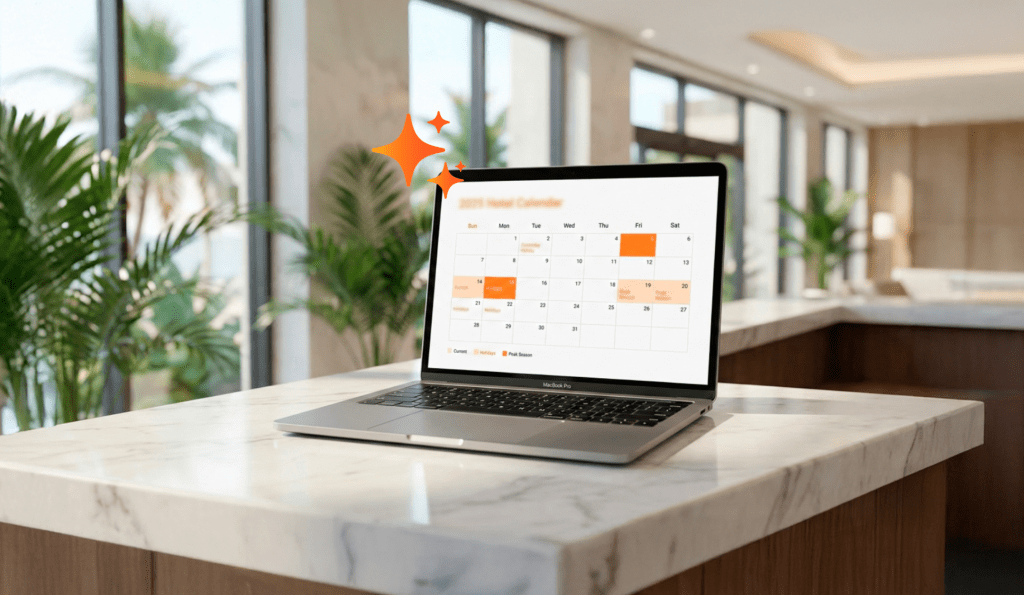
One of the costliest planning errors for hotels is treating every month as if demand will follow the same rules. Too often, hoteliers realize too late that a major event, like a holiday, festival, or global sports tournament has either supercharged demand or drained the city of travelers. In 2026, that risk is amplified.
With the FIFA World Cup taking place in North America, global travel patterns will shift significantly. Even if your hotel isn’t in a host city, expect ripple effects: group travel, remote work escapes, and “watch party” tourism will create pockets of demand across regions. When combined with the usual mix of school breaks, long weekends, and seasonal peaks, this makes 2026 a year that demands calendar intelligence.
To get ahead, implement a proactive calendar strategy. That means:
- Mapping out all major events: World Cup dates, national holidays, school vacations, and local festivals
- Identifying potential “shoulder periods” before and after key dates
- Adjusting cancellation policies and MinLOS restrictions in advance for high-demand dates
- Planning marketing campaigns around these opportunities with enough lead time
A calendar-driven approach allows your revenue and sales teams to apply Yield Management effectively raising rates where demand will be high and creating promotions to drive bookings during expected low periods.
Then, build “Early Bird” offers with limited-time conditions for the critical periods. This captures interest early and gives you control over your inventory before the OTAs absorb that demand.
3. Automate & personalize service with AI to capture demand instantly
Holiday peaks and major events like the World Cup bring a predictable, yet overwhelming challenge: a surge in repetitive questions. From “What’s included in the package?” to “Will you show the games?” or “Is New Year’s Eve dinner part of the rate?”, these inquiries flood your channels all at once.
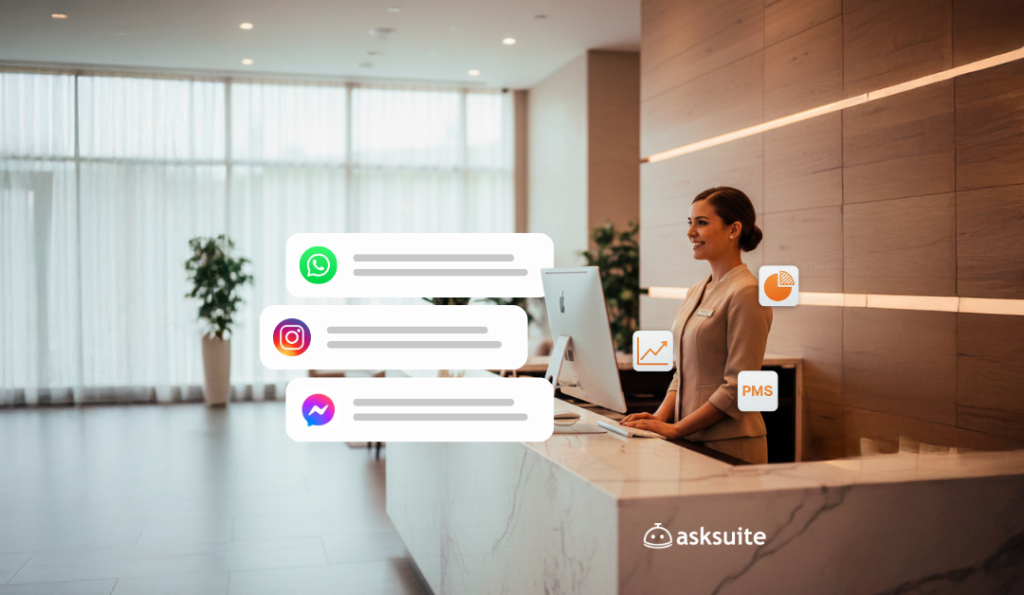
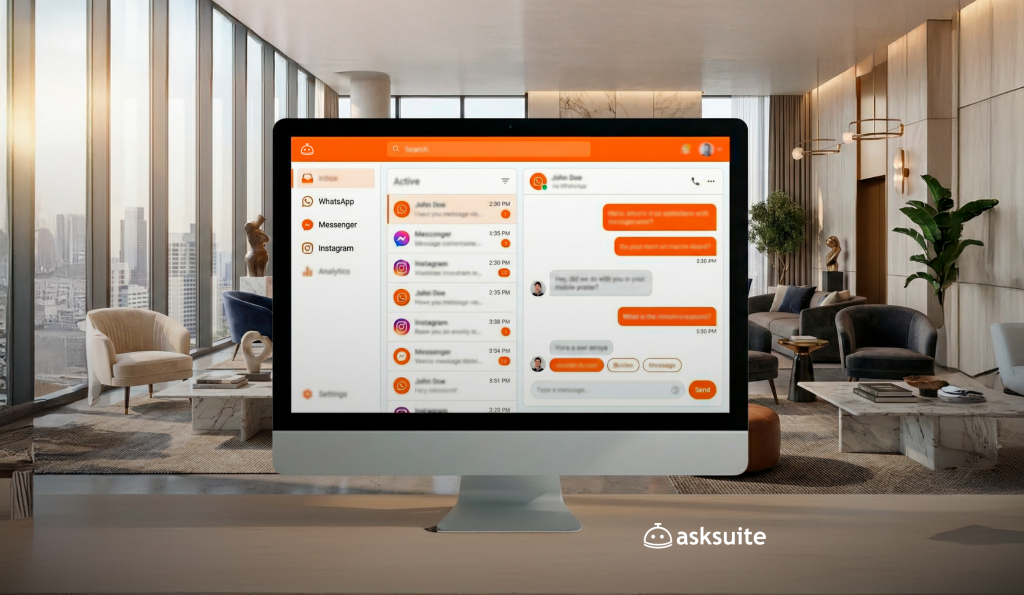
Instead of scaling your team for a few intense weeks, smart hotels are turning to AI-powered communication with travelers with solutions built specifically for hospitality. This kind of technology is designed to learn your hotel’s unique needs, reflect the brand’s tone of voice, and respond to complex questions with accuracy and speed.
Here’s what this looks like in practice:
- Potential guests receive instant replies 24/7, even outside business hours
- AI handles FAQs in every season, including spikes during Christmas, New Year’s, or World Cup periods
- The system responds in multiple languages, across channels like WhatsApp and website chat
- Hotels maintain consistency without burning out the team
The goal is to allow reservation agents to focus on high-value interactions, while AI takes care of repetitive and time-consuming tasks.
Operational costs drop. Conversion opportunities go up. No travelers are left unanswered.
Set up smart answers for seasonal keywords like “World Cup schedule”, “Christmas dinner”, or “New Year’s availability”. That one action can prevent dozens or hundreds of missed leads.
4. Engage your potential guest base via WhatsApp campaigns
Many hotels sit on a goldmine of traveler data, past bookings, preferences, contact info but fail to activate this asset strategically. Instead, they rely on passive channels like email (which often go unopened) or on paid media, which erodes margins and delivers inconsistent results.
The key is to move from reactive communication to proactive, targeted outreach. WhatsApp goes beyond support, it connects you instantly with high-intent guests who already know your brand. With open rates reaching 98%, it delivers far more visibility and speed than email, which often struggles to pass the 20% mark.
Rather than waiting for potential guests to return on their own, create moments of re-engagement. For example:
“Hi [Name], bookings for the World Cup period are now open. Since you stayed with us last summer, we’ve reserved early-bird access just for you. Check availability here.”
This kind of proactive message, sent at the right time and to the right segment, creates a sense of exclusivity and urgency with zero commission costs.
Here is how to get started:
- Segment your database into groups like “VIPs”, “Families”, “Corporate”, or “Event attendees”
- Ensure opt-in consent is up to date and compliant
- Draft concise, personalized scripts that align with key dates from your 2026 calendar
- Use an official API integration to avoid being flagged or blocked by WhatsApp
Hospitality-focused tools like AskFlow empower hotels to automate and personalize these campaigns at scale, making WhatsApp a true revenue channel, not just a support tool.
5. Invest in post-stay and loyalty strategies
Many hotels focus heavily on acquiring potential guests, especially during high season, but forget to continue the conversation once the stay ends. This silence turns warm leads into cold ones and forces the hotel to restart the acquisition cycle from scratch, often with paid ads or OTA commissions.
The solution lies in treating every guest departure as the beginning of a new sales opportunity. A traveler who stayed with you for Christmas or New Year’s is a qualified prospect for your next low season.
Transforming high-season guests into loyal, repeat clients has direct financial benefits:
- Lower customer acquisition cost (CAC)
- Higher lifetime value (LTV)
- More predictable occupancy during slow periods
- Greater ROI from each campaign or channel
One effective approach is to automate a follow-up sequence after checkout. For example: send a thank-you message, collect feedback, and offer an exclusive perk for a future stay, such as a “return guest” discount valid for midweek travel or off-season dates.
To do this right:
- Ensure clean, structured data collection at check-in
- Use email or WhatsApp automation tools to trigger personalized post-stay messages
- Align offers with the sales calendar to fill identified gaps in demand
Hotels that actively nurture their guest base reduce their dependence on OTAs, build stronger brand loyalty, and create a more resilient revenue strategy for 2026 and beyond.
More than just another sales cycle, 2026 presents a unique convergence of global events, evolving traveler behavior, and advanced technology, a combination that can reshape your hotel’s revenue strategy. However, only those who plan early, forecast demand, and execute with precision will be ready to take advantage of it.
The calendar should move beyond a simple list of dates and become the framework guiding your pricing decisions, segmentation efforts, and campaign timing. It defines the direction, while technology provides the power to act.
Automation supported by AI, omnichannel communication, and solid performance data are now must-have components of any hotel strategy focused on increasing direct bookings.
Want to go deeper into the tech solutions that support this strategy? Explore the hospitality technologies every hotel manager needs for traveler communication in 2026!