4.9/5
4.9/5  HotelTechReport - with +970 verified reviews

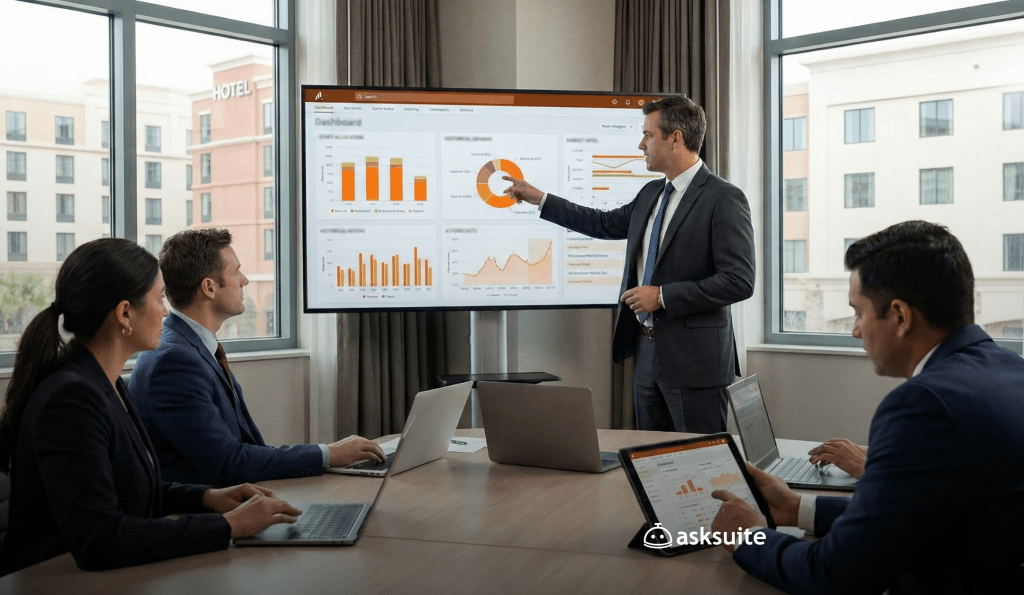
Harness technology and data-driven insights to stay ahead of fluctuating demand and improve operational efficiency
Picture this: a local event causes an unexpected booking spike, and your hotel is scrambling to keep up, staff is overwhelmed, and service quality drops. Unpredictable demand is a constant challenge in hospitality, affecting labor costs and overall profitability. But, with the right tools, small and mid-sized hotels can now access demand forecasting technologies that were once only available to large chains.
In this article, we’ll explore 5 practical methods for forecasting demand surges and optimizing staff allocation. These strategies combine technology with human insight to help you reduce costs, prevent burnout, and ensure a smooth traveler experience.
5 ways to predict demand peaks during high season
1. Analyze historical occupancy patterns with seasonal context
Assessing past occupancy data is a powerful method to forecast spikes in demand and efficiently allocate staff during high season. By reviewing 2-3 years of historical data, hoteliers can identify patterns in occupancy rates, booking behavior, cancellations, and length of stay, providing valuable insights to predict future trends.
Key Steps:
- Identify Patterns: Track trends by day, week, month, and during specific events or holidays to predict high-demand periods.
- Technology Integration: Use PMS or RMS systems to generate visual trends and automate data tracking, or use Excel/Google Sheets for manual analysis.
- Human Insight: Contextualize the data by considering anomalies like events, weather, or economic changes.
- Booking Pace Analysis: Monitor how far in advance potential guests book, helping you anticipate peak periods.
Pull data from the past 3 years for upcoming peak season months and identify the top 10 highest-demand dates to forecast staffing needs.
2. Monitor external demand signals and local market intelligence
External factors play a significant role in forecasting demand, often influencing booking patterns more than internal efforts. By staying informed about what’s happening beyond your hotel’s walls, you can better anticipate when needs will spike and optimize staffing accordingly.
Key signals to monitor include:
- Local Events: Conferences, festivals, sporting events, and concerts are major drivers of demand. Being aware of these occasions can help you prepare for surges in bookings.
- Flight Availability/Pricing: Changes in flight schedules and prices can directly impact the number of potential guests traveling to your destination, especially for international visitors.
- Technology tools: Event calendars, like Google Trends for destination searches, and airline schedule data can help you track these external signals. Additionally, monitoring OTA search trends and competitor pricing can offer insights into growing demand for your location.
Create a shared calendar with your team, marking all known local events for the next 6 months. Cross-reference this with past performance to predict high-demand periods. Demand is primarily steered by external market dynamics, rather than internal hotel campaigns, making it critical to stay informed about market trends, local events, and competitor activity.
3. Implement booking pace tracking and pick-up analysis
Booking pace tracks how reservations accumulate over time, while pick-up refers to the rate at which bookings increase. By comparing current booking pace with historical data, hoteliers can anticipate demand spikes and adjust staffing levels accordingly.
Key Steps:
- Compare Current vs. Historical Pace: Track booking patterns for the same dates in past years to spot potential surges or slowdowns.
- Technology Tools: Use PMS or RMS systems to automate pace reports, comparing current bookings with historical trends.
- Human Insight: Interpret deviations in pace to determine if the trend is due to market softness or a temporary delay.
- Leading Indicators: Accelerating booking pace signals that demand peaks are approaching, prompting staff adjustments.
- Segment Tracking: Monitor different segments (leisure vs. business, direct vs. OTA bookings) to tailor staffing needs.
Generate a weekly report comparing current bookings for the next 90 days against the same period last year. Booking pace is a real-time indicator that helps you understand current demand, enabling proactive staffing decisions.
4. Combine AI and Human Insight for Advanced Forecasting
Advanced forecasting is no longer limited to those with a data science background. Today, affordable tools make predictive analytics accessible to hotels of all sizes. These modern systems leverage machine learning algorithms to analyze multiple variables—such as historical data, market trends, seasonality, and external events—to forecast demand with increasing accuracy.
Key Steps:
- Leverage Predictive Models: Utilize revenue management systems (RMS) with built-in forecasting, specialized demand forecasting platforms, or even spreadsheet-based models. These tools automate the process, continually learning from your hotel’s specific patterns and refining predictions over time.
- Technology Integration: If you’re using an RMS, explore its forecasting modules. If not, research affordable tools that can provide a reliable starting point for predictive analytics.
- Human Insight: While technology handles complex calculations and data analysis, human interpretation remains critical. You must review and validate automated predictions, as systems can miss crucial context like renovation schedules, market disruptions, or unique property factors. Human judgment ensures the forecasts are applied effectively for final strategic decisions.
Implement these steps now: Adopt the predictive technology that best fits your needs, incorporate the data output into your current workflow, and utilize your team’s knowledge to fine-tune the results for maximum revenue performance.
5. Promote cross-departmental collaboration
Accurate demand forecasting requires input from various departments, not just revenue management. Sales, F&B, and front desk teams each provide unique insights that enhance forecasting accuracy. By collaborating across departments, hotels can create a more comprehensive understanding of demand.
Key steps:
- Encourage Input from All Departments: Involve teams like sales, front desk, and F&B to contribute their knowledge on group bookings, event reservations, and traveler feedback.
- Use Collaborative Tools: Utilize platforms like Slack, Teams, or project management software to centralize insights and streamline the forecasting process.
- Hold Regular Meetings: Schedule weekly or bi-weekly meetings for departments to share insights and concerns, ensuring all perspectives are considered.
- Build a Demand Intelligence Network: Foster continuous collaboration across teams, creating a network that shares valuable demand signals.
- Implement Feedback Loops: Review past forecasts to understand what worked, what didn’t, and where improvements can be made.
Schedule monthly cross-departmental meetings to discuss demand for the next 60-90 days, with each department contributing one key insight. Frontline staff often spot demand trends before they appear in booking data, making their input crucial for accurate forecasting.
To Wrap Up
Demand forecasting is the essential tool for smarter hotel management. By accurately predicting future demand, you empower your hotel to move beyond reactive management: you can optimize staffing and resource allocation to reduce costs, ensure operational readiness to elevate the traveler experience, and make proactive revenue decisions to boost overall profit. Leveraging accurate forecasting is the critical step toward achieving greater operational and financial success.
To dive deeper into maximizing revenue, be sure to check out our blog post on smart upselling strategies to complement your forecasting efforts.